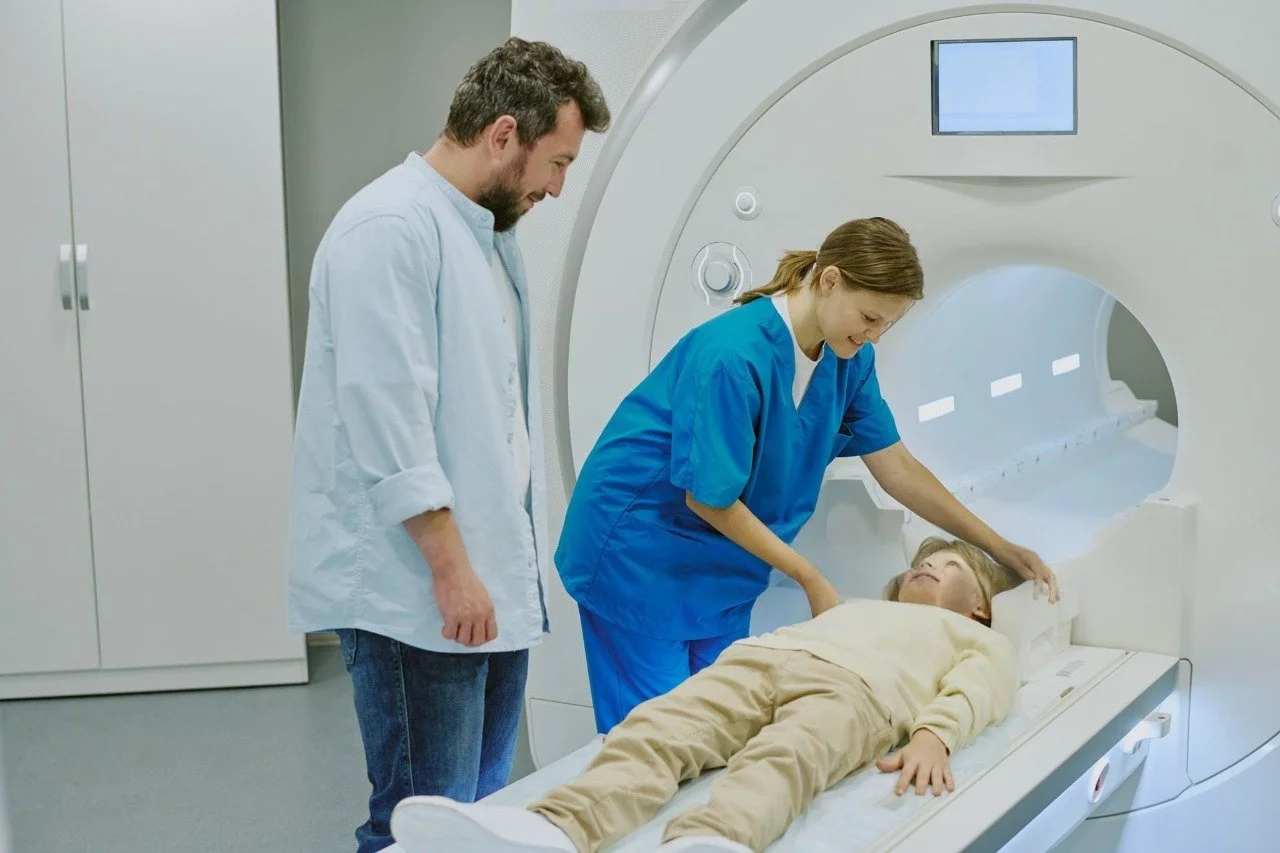
Thinking of a rewarding healthcare career abroad? Consider the role of a Medical Imaging Technologist — an in-demand profession in New Zealand’s healthcare landscape. These skilled professionals use X-ray, CT, MRI and other advanced imaging equipment to diagnose injuries and disease.
Useful experience
Useful experience for medical imaging technologists includes:
-
any work in the health sector
-
photography
-
technical work
-
laboratory work
-
any jobs involving contact with people.
What You’ll Do
As a medical imaging technologist you will:
-
Prepare patients and imaging equipment for examinations.
-
Produce diagnostic images, check image quality and sometimes administer tracers or dyes. (Explain procedures to patients, maintain safety standards around radiation and write reports. (It’s a role that blends technical expertise, patient interaction, and healthcare support — a great fit if you’re looking for a job that matters.
Skills and knowledge
Medical imaging technologists need to have knowledge of:
-
human anatomy, physiology and pathology
-
positioning and imaging techniques, and how to use x-ray equipment
-
safety issues for the use of radiation equipment and radioactive materials.
Why It’s a Good Opportunity in New Zealand
-
Job prospects are described as “Good”, thanks to demand driven by an ageing population and few graduates entering the field.
-
The occupation features on New Zealand’s Green List, meaning skilled applicants are actively encouraged from overseas.
-
Salary ranges are competitive: early-career (1-6 years’ experience) typically NZD ~$63,000-$84,000, with experienced professionals ($87,000-$118,000+) for 6+ years.
Educational & Entry Requirements
To become a qualified technologist, you’ll generally need:
-
A bachelor’s degree in medical imaging (for example: Bachelor of Medical Imaging, Bachelor of Applied Science – Medical Imaging Technology or Bachelor of Health Science in Medical Imaging).
-
Registration with the Medical Radiation Technologists Board (MRTB) and an Annual Practising Certificate.
-
Secondary education (e.g., NCEA Level 3 or equivalent) with subjects like Biology, Chemistry, Physics, Math and English.
You may need to pass health and police checks, and attend an interview and an observation day to get into these courses.
-
Ara website – information about the Bachelor of Medical Imaging
-
UCOL website – information about the Bachelor of Applied Science (Medical Imaging Technology)
-
Unitec website – information about the Bachelor of Health Science (Medical Imaging)
Types of employers varied
Most medical imaging technologists are employed in:
-
hospitals and nursing homes
-
medical and dental services
-
health clinics.
Skills & Personal Qualities That Make a Difference
Beyond academic credentials, successful applicants also display:
-
Strong knowledge of anatomy, physiology, pathology, imaging methods, radiation safety.
-
Excellent communication, patience, accuracy, teamwork, and technological competence.
-
The physical fitness to assist patients and handle equipment, and the mental resilience to work under pressure.
Working Conditions & Career Progression
-
Many imaging technologists work shift-based, including evenings or weekends, especially in hospitals.
-
Employers range from public hospitals to private clinics and imaging services.
-
With further training, you can specialise (MRI, mammography, nuclear medicine, sonography) or move into managerial or academic roles.
Why This Matters for Students from India & Pakistan
For international students looking for global mobility, residency-opportunity and a meaningful career, this pathway ticks multiple boxes:
-
The Green List status improves immigration prospects.
-
Training in New Zealand delivers an internationally recognised qualification.
-
Healthcare is a stable, growing sector globally — making your skills transferrable.
-
The high salary potential and work-life balance in New Zealand are strong draws for families and career builders alike.